From Culitivation to Permaculture
Permaculture and Cultivation are like the ‘polar ends’ of gardening with permaculture seeming the ideal but too hard to reach. It takes a leap of faith to stop cultivating and start permaculture as we tend to believe hard work equates to a good result and permaculture seems to ignore the regular work in a garden. Through my experience in some of the following projects i have found a massive mountain size difference bertween the two in work time, effort and produce and i attempt to prove that if the same amount of time was put into the treadit method of permaculture as cultivation there would be a gain in produce amount, quality, peoples health and well being.
Project Examples
1. Cultivation With Machinery

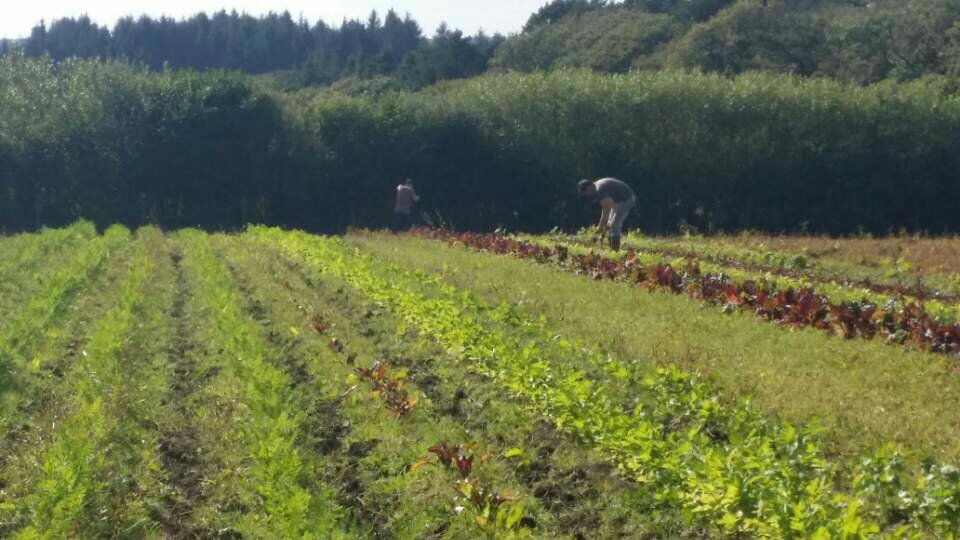
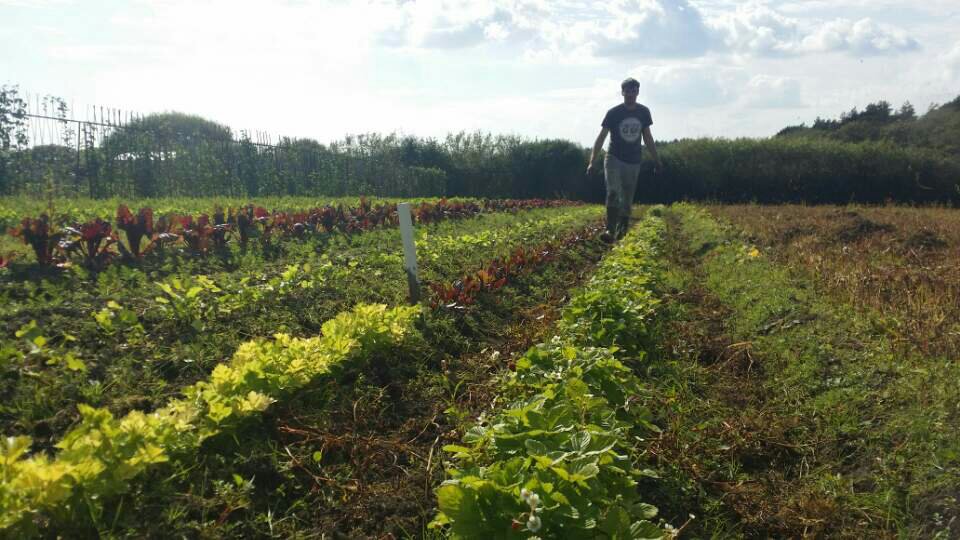
Project Journey
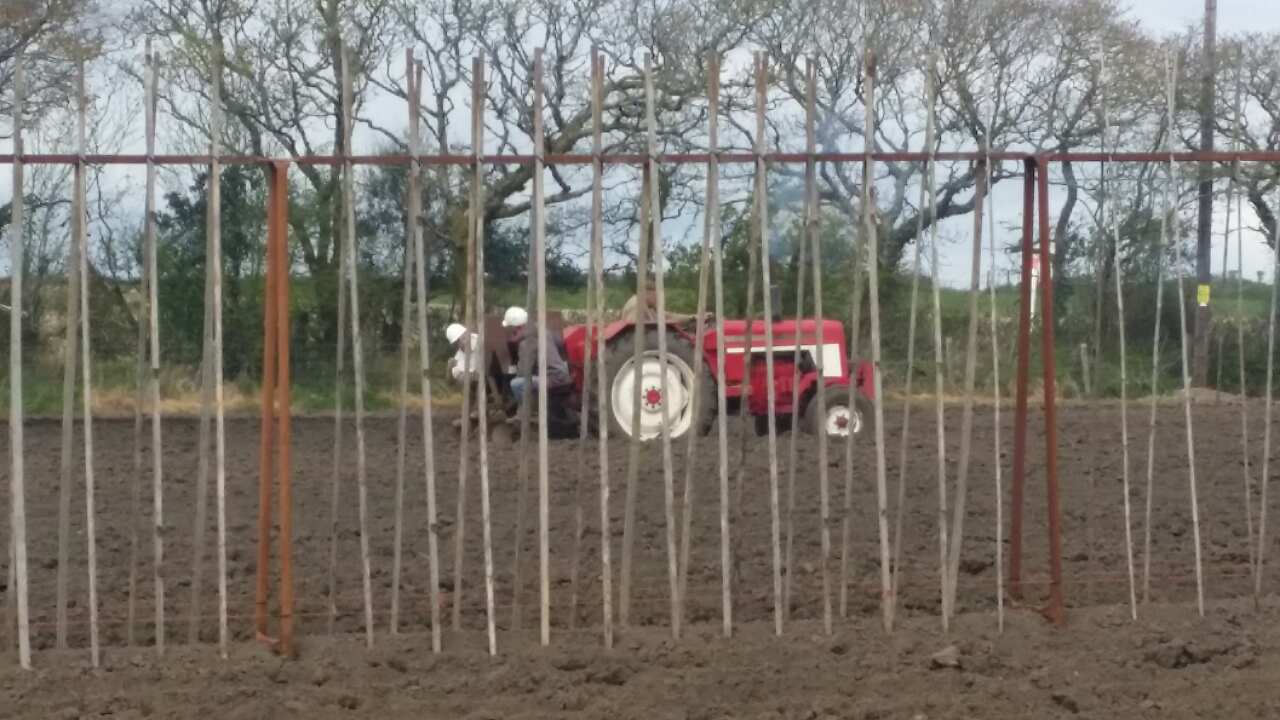
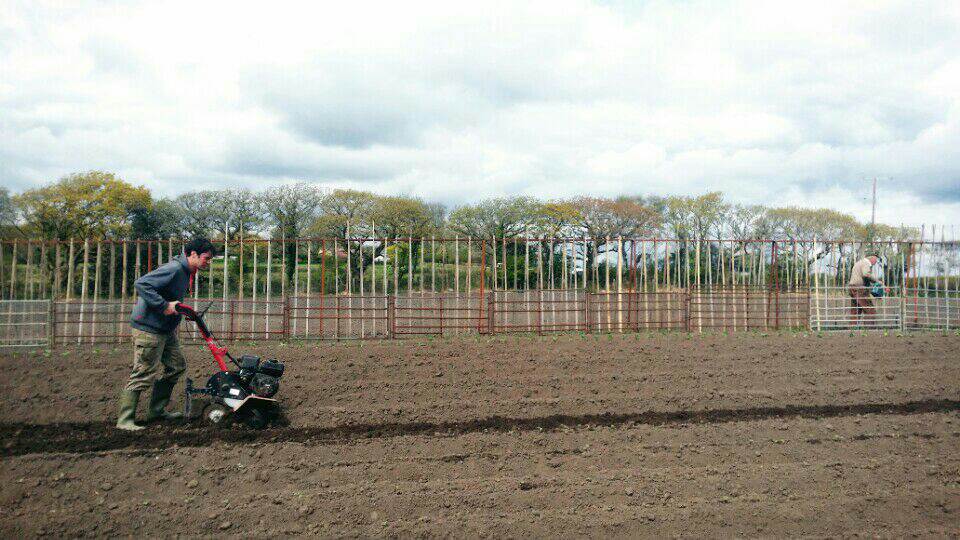
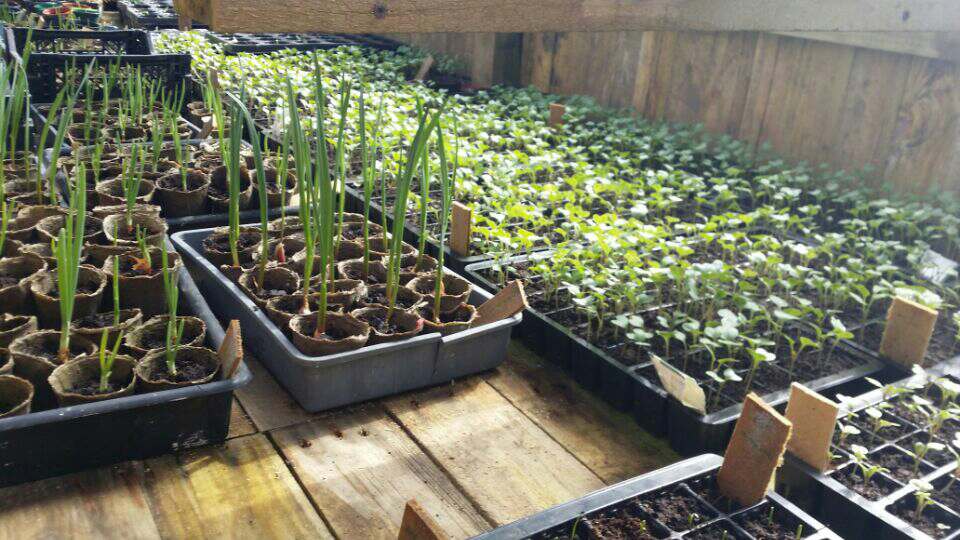
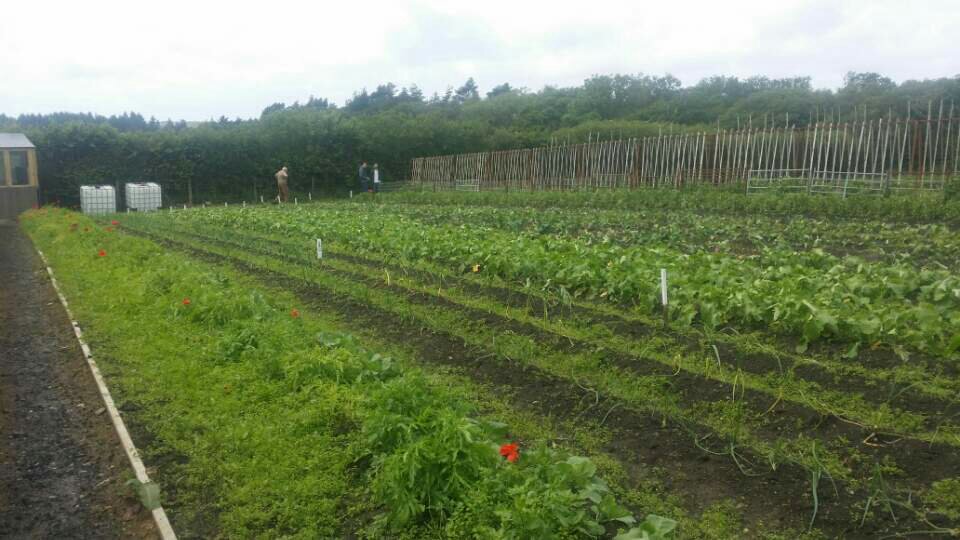
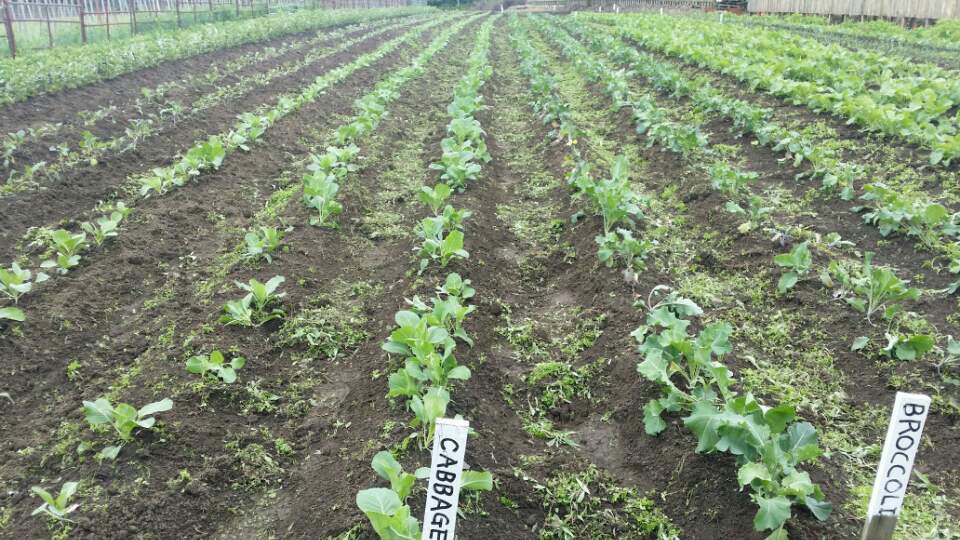
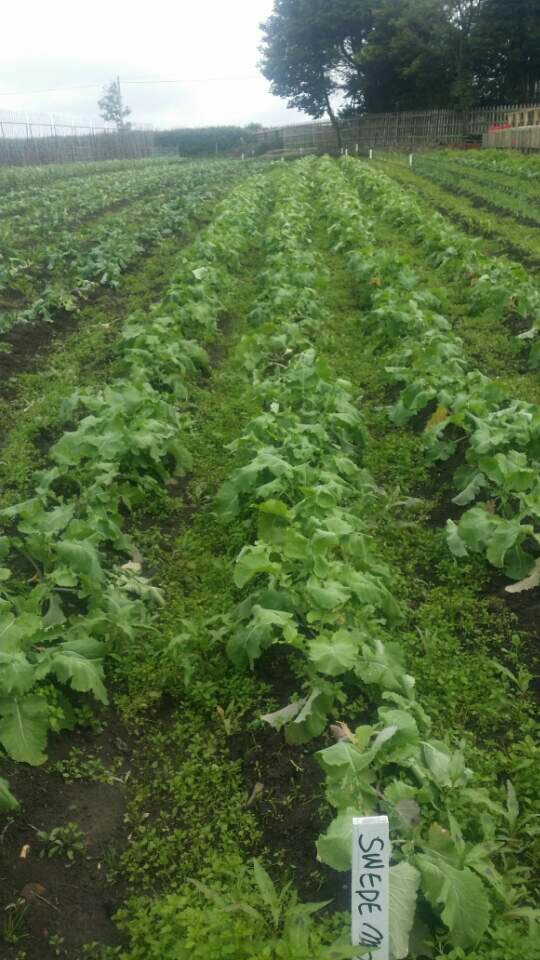
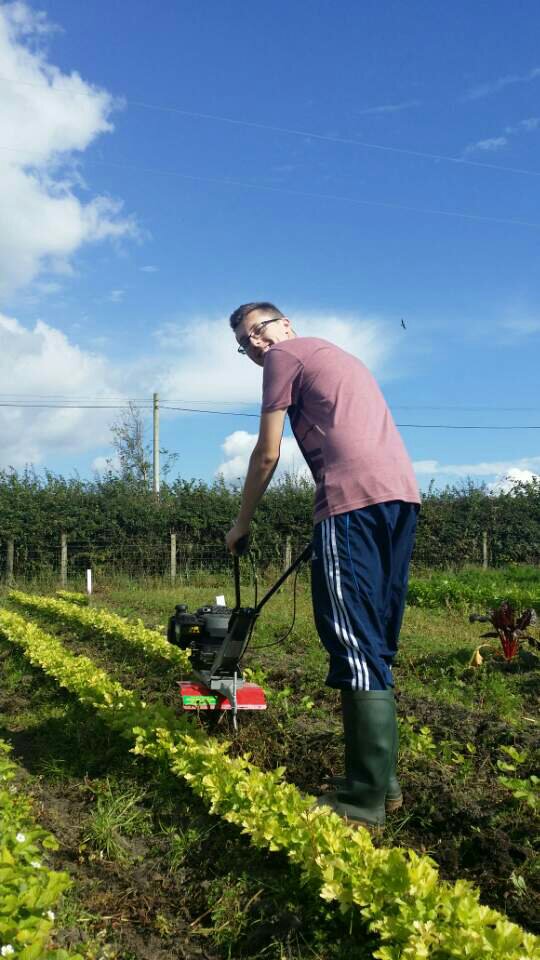
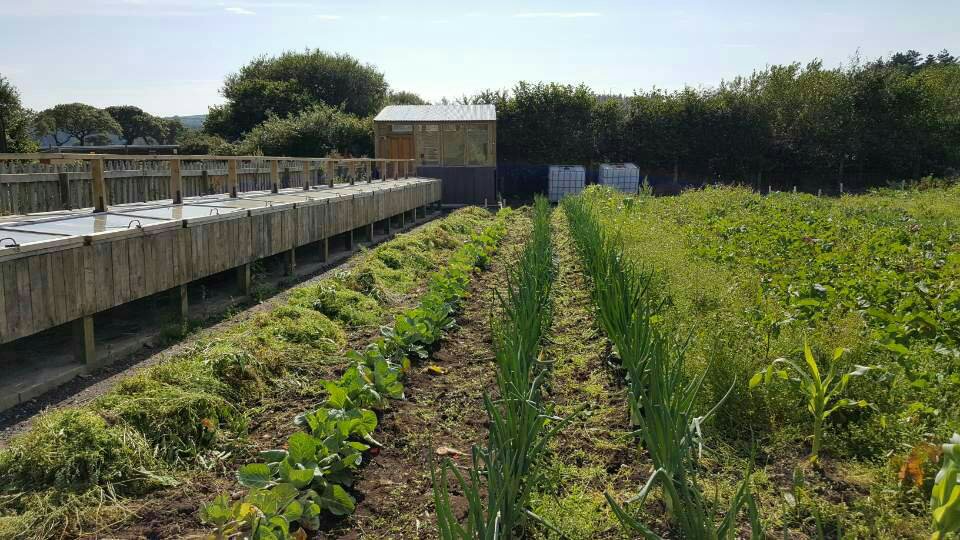
This garden projects examples are modelled around 2018-2019. The project was originally changed into a plot from a sheep grazing field. It is run by my friend Bob who I have learned a lot from in various trades and life. This way of cultivation is a small version of aggricultural cultivation but on a much larger scale than household gardening and with heavier machinery. The size of the plot was around 40m x 30m. The field was originally ploughed then cultivated and ridged each year by tractor however extra cultivation was needed by a machine cultivator due to soil compaction. Most plants were grown in a MASSIVE (40m x 1m) cold coldframe and then transplanted into the field. The fertilizer for the field was in a form of a 200 tonne pile of cow manure that had to be wheelbarrowed over the field before cultivation which took around 80 hours of labour! This was because the field was too wet after winter for our handler or tractor to use. Then there was watering which was needed after planting and in the hotter weeks of summer (around 4-6 weeks). This was done by a watering can from rain water until it ran out and we used tap water. We could not use a hose as there was a hose pipe ban. Watering took around 5 hours a day! The field had been sprayed with weedkiller previously to destroy the weeds (not healthy) due to the scale of the project. However once the garden had been cultivated the weeds came back in strength! (see most pics). Between the rows we hand cultivated with a small machine (see pic) but the raised rows had to be done by hand and hoe which took on average 2 hours per row with around 30 rows which were weeded every 3 weeks or so. Without the weeding the plants would have been smothered. The harvest wielded very large vegetables and abundangt crops. We gave most vegetables away to people but could not give enough due to time and a lot went to waste :(. Most of the work in the project went into weeding however allot of work went into the creation of building potting sheds, a massive coldframe, the bean frame and a big greenhouse along with various hand made tools. The machinery we bought consisted of a paraffin weed burner, a big and small cultivator, a tractor as we traded our old one in, a strimmer, and various bits and pieces. The materials to make the shed, greenhouse and coldframe were mostly pallet wood however took allot of time to build and allot of money went into other materials. In total the project cost A LOT of time and money. This Gardening style was too labour intensive for the size of the garden however due to the veg size and amount of produce I feel it could have supported a small family without the need for shopping for a year. If this style of gardening was all done without machine and organically it would have taken allot more work! which would either be a full time job or the produce would have been limited. I started making a ‘back to eden’ garden directly onto the surface of the soil however it grew weeds admittedly slower but weeds none the less and were cultivated back into the soil by Bob’s decision as there was no time left to weed this section at the end of the season. The weeds grew because of the weed seed contained in the soil which is why I have taken many a precaution in my treadit method.
Here is the summary of processes in this cultivation method, the main gardening area was aproximately 30×40 meters with aproximately 25 rows each on average 40 meters long (with the rest of the field planted with potatoes which are not included). Bearing in mind this was a large project with mostly traditional methods involved.
| Calculations | Details |
|---|---|
| Project Start | March 2014 |
| Ongoing? | Yes |
| Original setup cost of project | Over £10,000 was spent on a tractor exchange, machinery, tools and extra materials to build the greenhouse, coldframe and potting shed which were mostly made out of recycled materials from the farm. |
| Labour time in project’s initial setup. | This took hundreds of hours of work in preparation for this project and will require separate ongoing maintenance. |
| Annual labour time in soil prep. | Around 120 hours |
| Labour time in maintenance between planting and harvest per m2 | Around 23m (454h / 1200m2) |
| Annual total labour time per m2 | 43:30m |
| Annual Prep Cost (no labour costs) | Over £300 |
| Total Time Per Year | Description |
|---|---|
| 6 hours | Machinery maintenance |
| 3 hours | Spraying the area to kill weeds or ploughing |
| 80 hours | Adding manure to the soil by wheelbarrow |
| 2 hours | Tractor cultivation breaking up the compacted soil |
| 25 hours | Cultivation with a Cultivator to break the remaining soil into loose soil |
| 1 hours | Ridging into rows with the tractor |
| 3 hours | Tidying the ends of the rows up with a shovel and rake |
| 6 hours | Topping the rows to make a flat surface on each row with a rake |
| est. 100 hours | The cold frame processes involving thousands of plants! including planting individual seeds into around 350 trays of potted compost and watering in the cold frame every day for 6 weeks. |
| 15 hours | Direct sowing into around 10 of the rows. 1:30 hours per row. |
| est. 75 hours | Transplanting from coldframe to around 15 rows. 5 hours per row. |
| est. 150 hours | Watering for 5 hours everyday for around 4 weeks of hot weather per year and further watering after planting. Done by watering can. |
| 300 hours | Weeding all the rows around 6 times a year (2 hours per row). |
| 4 hours | Pest control of cabbage butterfly catterpillers via handpicking and rhubarb water (we did not spend much time on this). |
| 100 hours | Harvest of various different vegetables at an everage time of 4 hours per row. |
| Total of 870 hours per year | A full time job is around 1560 hours p.a. |
 Treadit Gardens